
More than 200 youth ice hockey coaches gathered in Bratislava for one of the IIHF Partnership for Progress Programs in this season which focused on one central theme: Coaching the next generation: creating environments where players thrive.
The conference was aimed at Slovak youth and junior coaches, particularly those working with players in the U12-U16 categories. Coaches from Austria and Hungary, also participated creating a valuable platform for sharing ideas across different hockey cultures and development systems.
A major focus of the conference addressed the global challenge of keeping young people engaged in the sport. Speakers included Prof. Sergio Lara-Bercial, internationally recognized expert in coach development and director of the iCoachKids project; Vicki Guy from Sport Ireland, focused on inclusive and development-oriented coaching environments; Dr. Gary Hodgson from Leeds Beckett University, whose work centers on youth sport and coach development; and Vladislav Bespomoshchnov from the Norwegian School of Sport Sciences, who connected sport science, pedagogy and ice hockey practice.
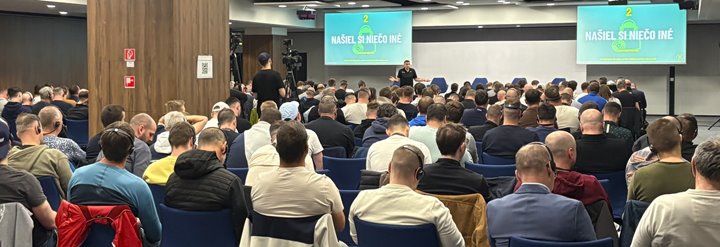
The sessions also translated these principles into the ice hockey context. Topics included understanding why young athletes stay in or drop out of sport, designing practices that support learning, giving players more voice in their development, and using feedback in a way that helps athletes think, decide and grow. One of the key messages was that skill is more than technical capacity, and that athletes improve most effectively when they are active participants in solving game situations.
IIHF President Luc Tardif about the IIHF Partnership for Progress Program: “Based on our ICE26 strategy we want to strengthen the cooperation between our members and us as the IIHF. Many members organized in this season partnership for progress programs and in this regard I would like to thank everyone involved to make this possible”.
Igor Andrejkovič, Coach Developer from the Slovak Ice Hockey Federation: “Bringing this conference to Slovakia was an important opportunity to connect elite international knowledge with the everyday work of youth coaches. The main focus was clear: How we create environments where young players can learn, enjoy the game and stay in hockey for the long term.”
The conference was aimed at Slovak youth and junior coaches, particularly those working with players in the U12-U16 categories. Coaches from Austria and Hungary, also participated creating a valuable platform for sharing ideas across different hockey cultures and development systems.
A major focus of the conference addressed the global challenge of keeping young people engaged in the sport. Speakers included Prof. Sergio Lara-Bercial, internationally recognized expert in coach development and director of the iCoachKids project; Vicki Guy from Sport Ireland, focused on inclusive and development-oriented coaching environments; Dr. Gary Hodgson from Leeds Beckett University, whose work centers on youth sport and coach development; and Vladislav Bespomoshchnov from the Norwegian School of Sport Sciences, who connected sport science, pedagogy and ice hockey practice.
The sessions also translated these principles into the ice hockey context. Topics included understanding why young athletes stay in or drop out of sport, designing practices that support learning, giving players more voice in their development, and using feedback in a way that helps athletes think, decide and grow. One of the key messages was that skill is more than technical capacity, and that athletes improve most effectively when they are active participants in solving game situations.
IIHF President Luc Tardif about the IIHF Partnership for Progress Program: “Based on our ICE26 strategy we want to strengthen the cooperation between our members and us as the IIHF. Many members organized in this season partnership for progress programs and in this regard I would like to thank everyone involved to make this possible”.
Igor Andrejkovič, Coach Developer from the Slovak Ice Hockey Federation: “Bringing this conference to Slovakia was an important opportunity to connect elite international knowledge with the everyday work of youth coaches. The main focus was clear: How we create environments where young players can learn, enjoy the game and stay in hockey for the long term.”