
Ostrava
Ostrava
The capital city of the Moravian-Silesian region Ostrava is in the north-east corner of the Czech Republic, close to the border with Poland, and marks the fusion of two historical lands – Moravia and Silesia. Ostrava is both the third largest and the third most populated city of the Czech Republic.Ostrava, which significantly contributes to the Czech industry and university education, is located at a confluence of the rivers Odra, Opava, Lučina and Ostravice. The city of Ostrava was first mentioned in the 13th century. Formerly a small village was established above the river Ostravice, which divides Ostrava into two parts nowadays – Moravian Ostrava and Silesian Ostrava.
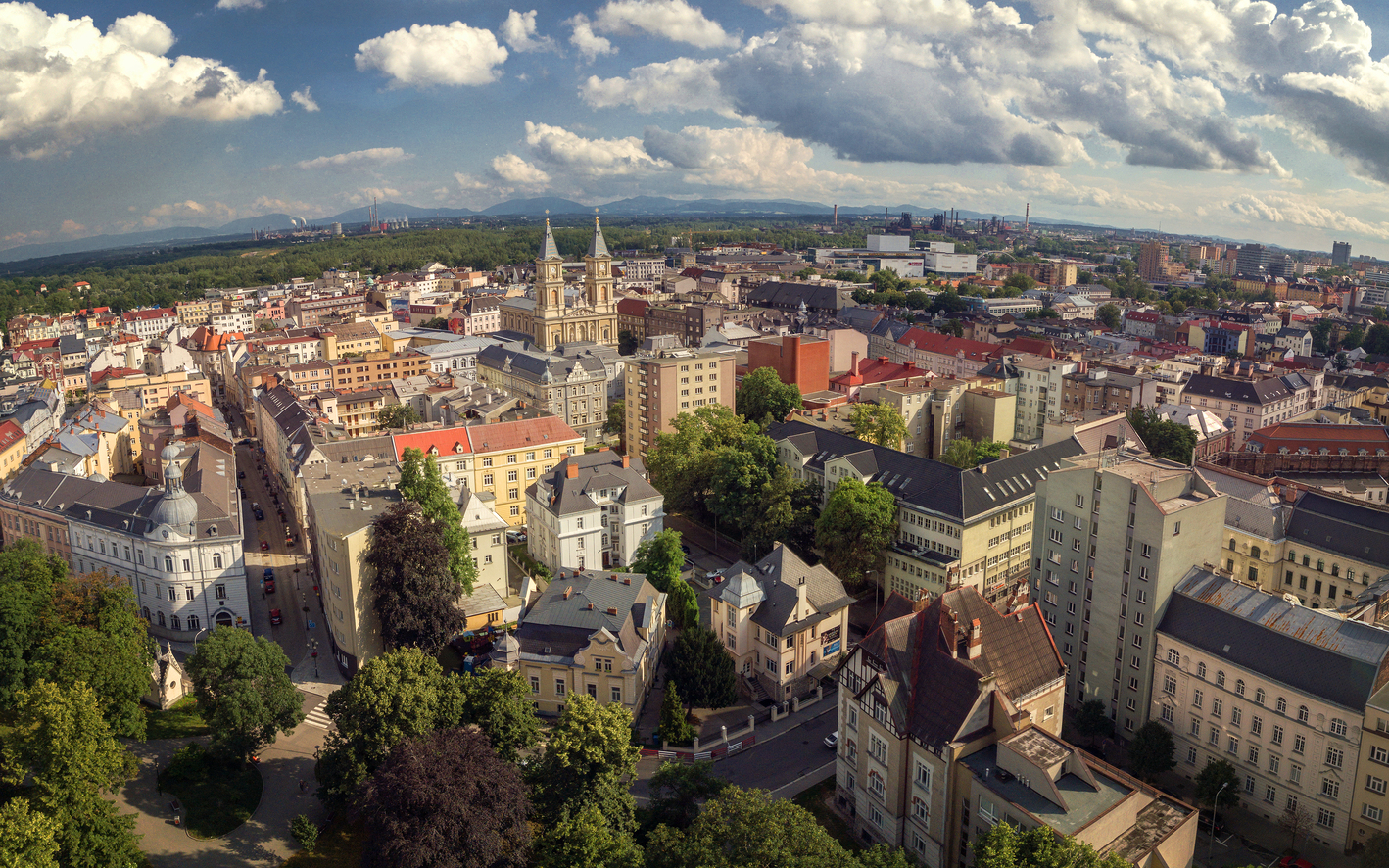
A great source of high-quality black coal was found in the Silesian part of Ostrava. Thanks to the expansion of mining and metallurgy, Ostrava used to be called “the steel heart of the Republic”. However, black coal mining ended in 1994. The history of mining tradition in Ostrava is still being remembered thanks to a former industry area Dolní Vítkovice, which offers an interesting industrial architecture.
The proof of Ostrava’s importance in the Czech university education is provided by the existence of two universities – the University of Ostrava and the Technical University of Ostrava.
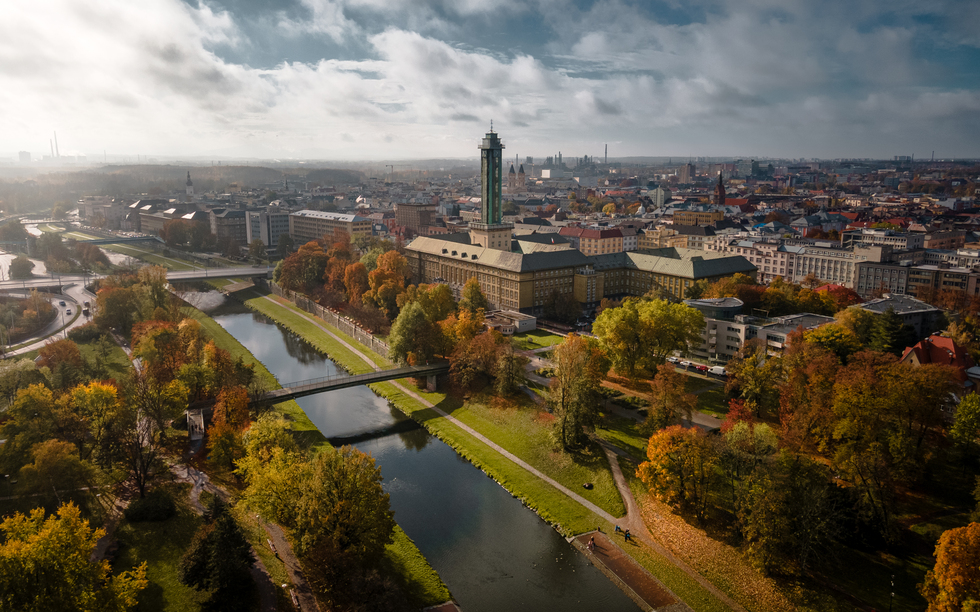
What to visit in Ostrava?
Ostrava is an important centre of culture as well. The Community Centre of the city of Ostrava hosts many cultural events, highly respected Janáček Philharmonic is based in the city, as well as four theatres – Moravian-Silesian National Theatre, Arena Chamber Theatre, Petr Bezruč Theatre and Puppet Theatre.
A tourist attraction is the Dolní Vítkovice - a former industrial area has been transformed into a cultural and community centre. Every year the international festival Colours of Ostrava and the dance music festival Beats for Love are held here.
Science and Technology Centrum, Gallery of Fine Art based in the Art House, Museum of Ostrava, Michal Mine, which is the best preserved mining area in Ostrava, or the Museum of the firemen of the city of Ostrava deserve your attention as well.
You can also visit a popular area Skalka located in a nearby city called Vřesina, which offers a great fun for skiers, snowboarders or skaters, who have an unique chance to experience open-ice skating, and neither a ski park for kids.
Moravian-Silesian Region
The Moravian-Silesian Region, with a population of approximately 1.2 million people, is located in the northeast of the Czech Republic, bordering Poland to the north and Slovakia to the southeast. The whole region is easily accessible from nearby airports in Vienna, Brno, Ostrava, Krakow, and Katowice.
The region is home to five universities, including the University of Ostrava, the Technical University of Ostrava, Silesian University in Opava, Paneuropean University, and PRIGO High School.
What to see in the Moravian-Silesian Region?
The region is rich in cultural and industrial heritage. In Ostrava, you can visit the unique Dolní Vítkovice complex, where coal was mined and raw iron was produced from 1828 to 1998. Now, this industrial complex has been transformed into a educational, cultural, and social center with a unique view from the Bolt Tower on top of the blast furnace. In Northern Moravia, you will find more than thirty industrial monuments with a unique genius loci. You can visit the Tatra Truck Museum in Kopřivnice and admire the truck with which Karel Loprais won the Dakar Rally or visit places related to mining, shale mining, or the textile industry. There are also many military monuments on the Czech-Polish border. The region has three spas: Karlova Studánka, Klimkovice, and Darkov.
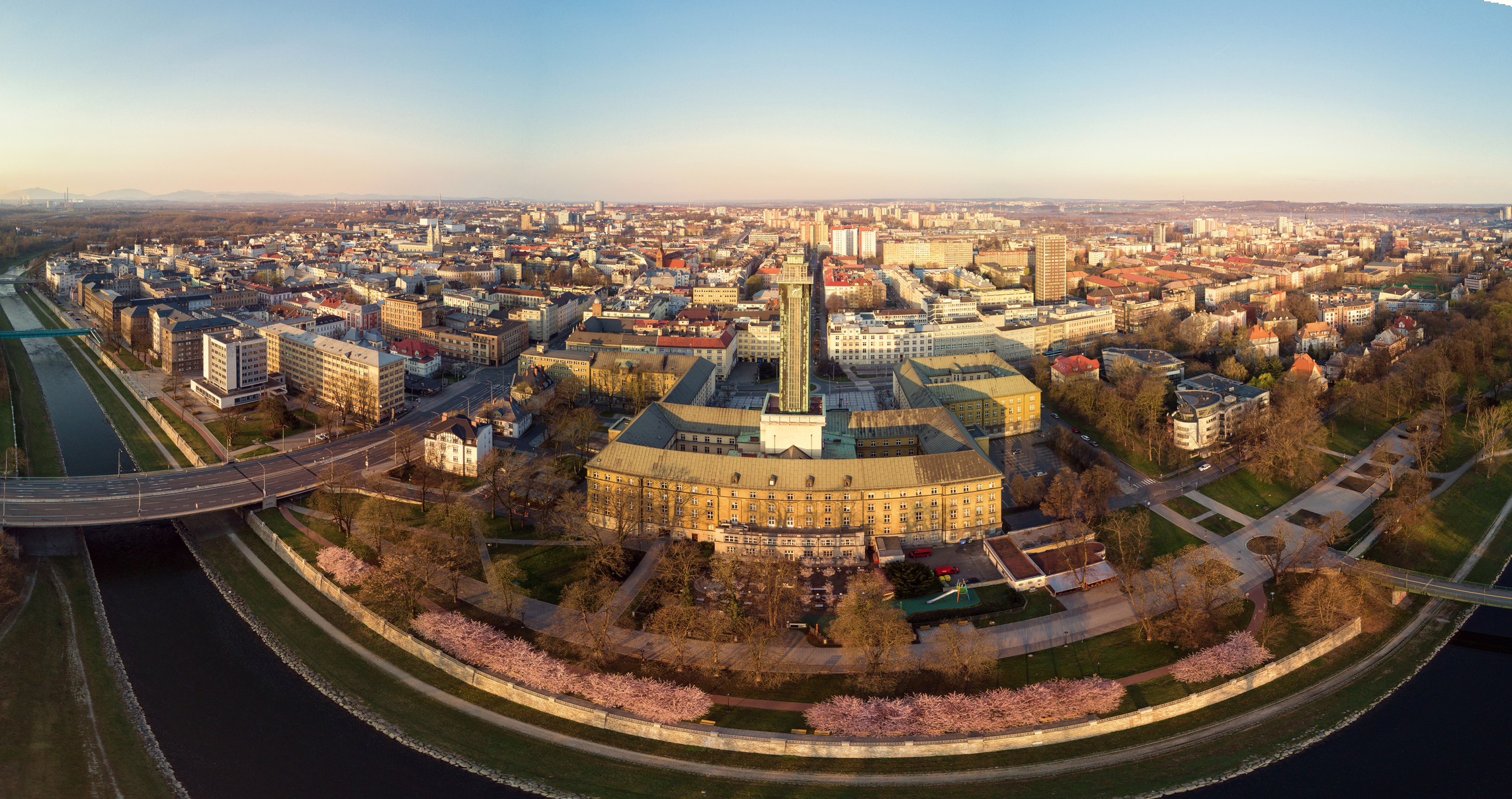
The northeastern part of the country also offers historical monuments, such as castles and chateaus in Hradec nad Moravicí, Bruntál, Hukvaldy, and Sovinec. You can also admire the historic centre of the town of Štramberk and the view from the castle tower called Trúba.
The Moravian-Silesian Region is also known for its beautiful nature, offers many tourist, and sports attractions. The highest mountain is Praděd in Jeseníky, the dominant peak in the Beskids is Lysá hora, and the mythical Slavic mountain of Radhošť. The mountains offer opportunities for hiking, downhill skiing, but are also interwoven with a dense network of cross-country skiing trails, which in summer serve as cycling paths. In the easternmost part of the Czech Republic, you can also play golf. In the region, you will find a golf course with a lookout tower in the form of a mining tower or a course located at the foot of the mountains.