
IIHF European Cup of Nations
The IIHF European Cup of Nations is an international competition program designed to create more meaningful playing opportunities for national teams across Europe and support the continued development of international ice hockey.
Built around the international break calendar, the European Cup of Nations gives participating national teams the opportunity to use these important windows for structured, competitive international games. Rather than relying solely on individual friendly matches, teams can compete within an organized tournament framework, providing valuable opportunities to develop players, strengthen team performance and prepare for future IIHF competitions.
At its heart, the initiative is about a simple objective: more opportunities to play meaningful international ice hockey.
Why the European Cup of Nations Matters
International breaks are an important part of the ice hockey calendar. They provide national teams with valuable time together away from club competition – but the quality and availability of international games during these periods can vary significantly.
The European Cup of Nations provides greater structure to these windows by bringing national teams together in organized tournament groups.
IIHF Support
The IIHF plays an active role in facilitating the European Cup of Nations and supporting participating Member National Associations.
The IIHF coordinates the overall competition framework, selects participating teams, assigns the tournament groups and works together with the respective hosts on the group schedules and organization of each tournament.

Importantly, the IIHF also provides financial support to participating teams and tournament hosts, helping Member National Associations take part in and stage international competition.
Through this combination of sporting, organizational and financial support, the IIHF aims to make meaningful international competition more accessible and sustainable for its Member National Associations.
How the Women's European Cup of Nations Works
Participation begins with the IIHF opening the competition to interested women's national teams. From the applications received, the IIHF selects the participating teams and assigns them to the respective groups, with tournament schedules subsequently determined together with the hosts.
The competition is played across several international windows during the season.
The first round consists of four-team, round-robin tournaments played between August and October, with participating teams assigned across Groups A–D.
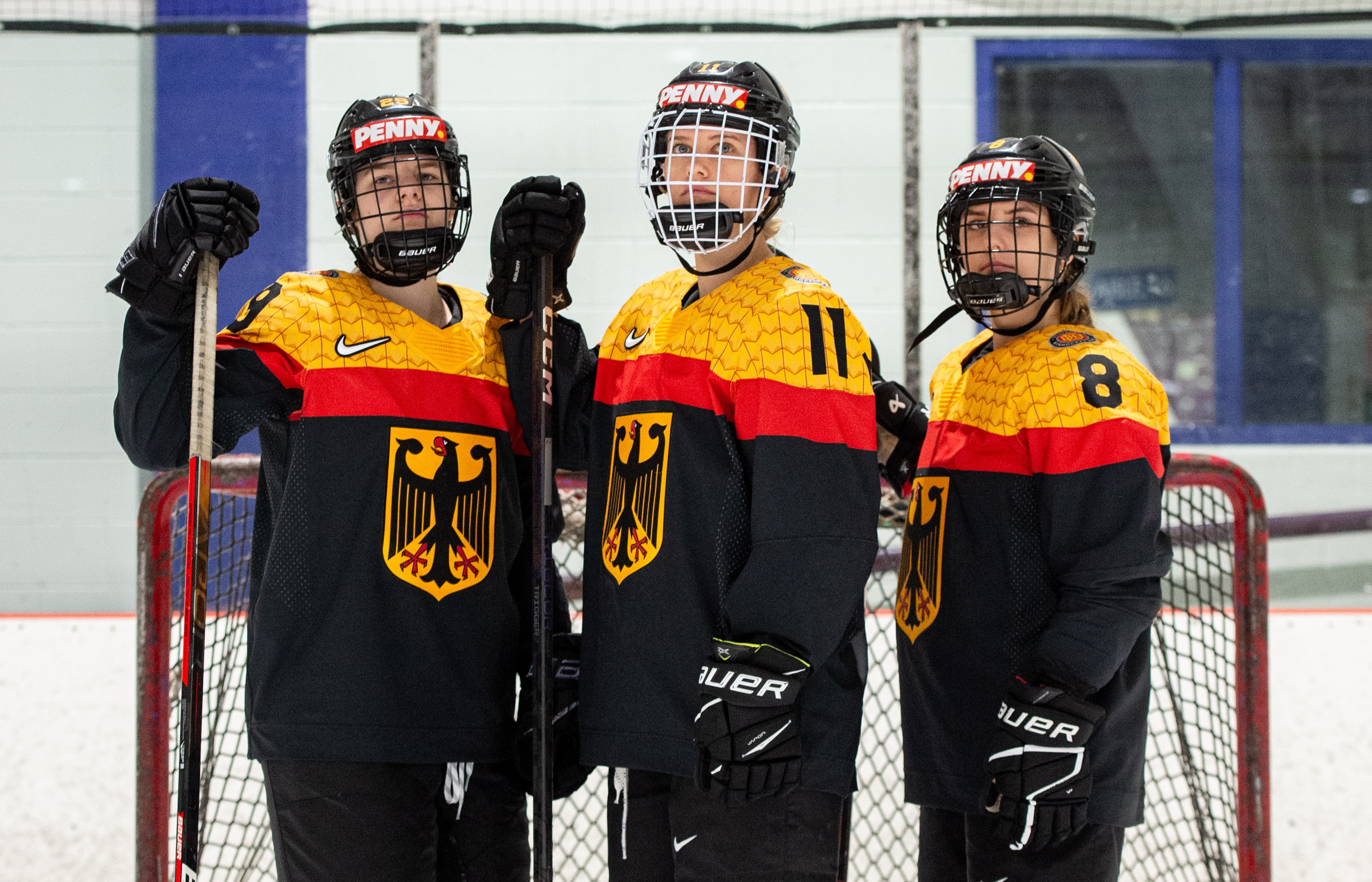
The second round takes place during the February international break, providing another opportunity for teams to compete as the season progresses.
The women's competition then culminates in an April final featuring six teams, creating a clear progression through the season and an additional competitive objective for participating nations.
How the Men's European Cup of Nations Works
The men's competition follows the same overall philosophy: using international breaks to provide national teams with structured and meaningful competition.
Teams compete in tournament groups across the November, December and February international break windows, creating multiple opportunities for national teams to come together and play competitive international games.
The IIHF facilitates the overall structure and works with participating Member National Associations and hosts to coordinate the tournaments.
Supporting the Growth of the International Game
The European Cup of Nations is more than a series of tournaments. It is part of the IIHF's wider commitment to creating opportunities for its Member National Associations and supporting the long-term development of the international game.
Regular competition is an essential part of sporting development. The more opportunities players have to experience international hockey, the more opportunities teams have to improve.
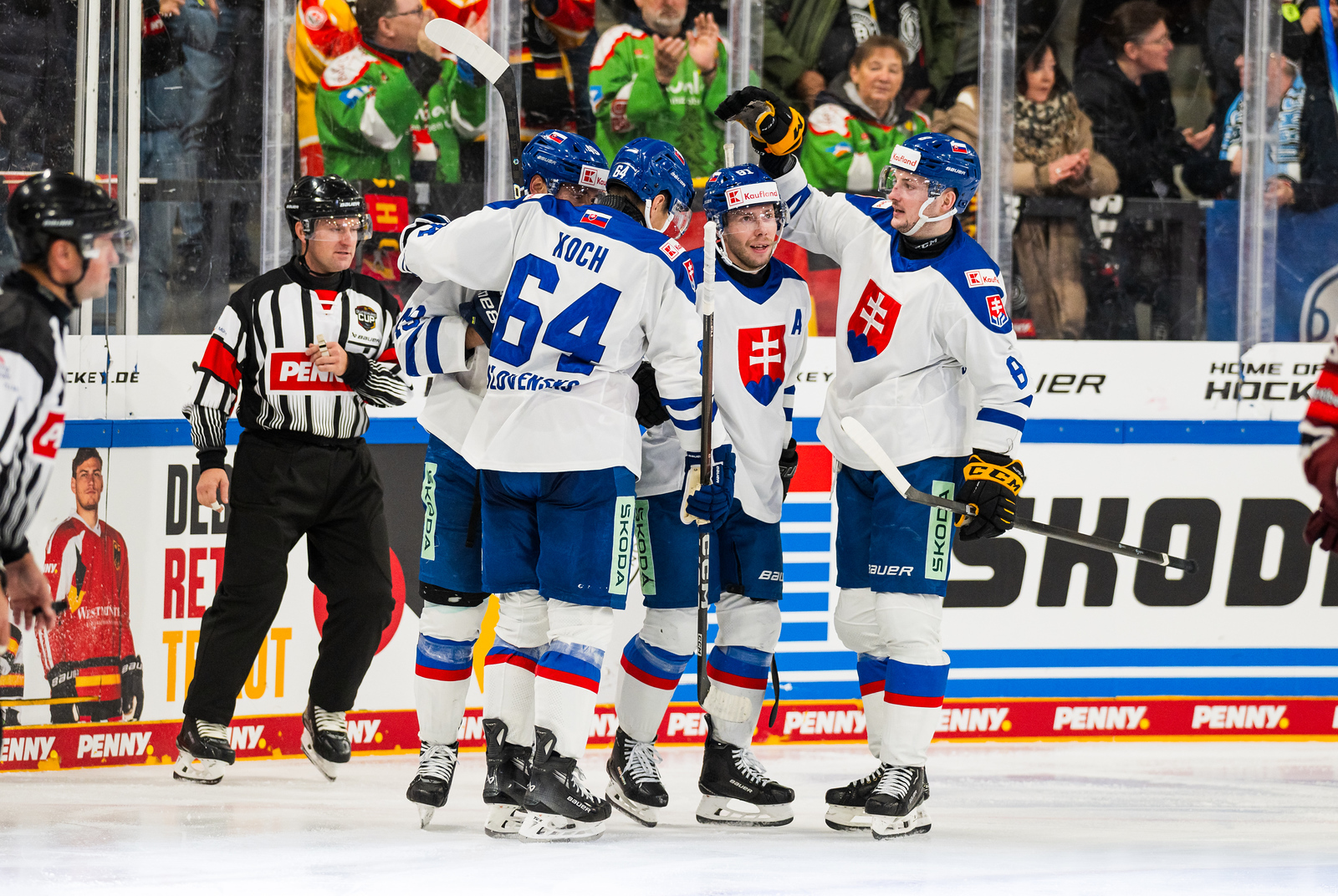
By bringing greater structure to international breaks, supporting hosts and participating teams, and creating additional meaningful games throughout the season, the European Cup of Nations helps national-team programs develop players, build stronger teams and compete more regularly.
Ultimately, stronger national teams help create stronger international ice hockey.
More games. More opportunities. Stronger national teams.
Built around the international break calendar, the European Cup of Nations gives participating national teams the opportunity to use these important windows for structured, competitive international games. Rather than relying solely on individual friendly matches, teams can compete within an organized tournament framework, providing valuable opportunities to develop players, strengthen team performance and prepare for future IIHF competitions.
At its heart, the initiative is about a simple objective: more opportunities to play meaningful international ice hockey.
Why the European Cup of Nations Matters
International breaks are an important part of the ice hockey calendar. They provide national teams with valuable time together away from club competition – but the quality and availability of international games during these periods can vary significantly.
The European Cup of Nations provides greater structure to these windows by bringing national teams together in organized tournament groups.
- For players, it means more opportunities to compete at the international level and gain valuable experience representing their country.
- For coaches, it provides important opportunities to test combinations, develop systems, integrate new players and build stronger teams.
- For Member National Associations, it creates a more consistent international competition pathway and additional opportunities to host national team ice hockey in their home markets.
- And for fans, it means more opportunities throughout the season to see their national teams in action.
IIHF Support
The IIHF plays an active role in facilitating the European Cup of Nations and supporting participating Member National Associations.
The IIHF coordinates the overall competition framework, selects participating teams, assigns the tournament groups and works together with the respective hosts on the group schedules and organization of each tournament.
Importantly, the IIHF also provides financial support to participating teams and tournament hosts, helping Member National Associations take part in and stage international competition.
Through this combination of sporting, organizational and financial support, the IIHF aims to make meaningful international competition more accessible and sustainable for its Member National Associations.
How the Women's European Cup of Nations Works
Participation begins with the IIHF opening the competition to interested women's national teams. From the applications received, the IIHF selects the participating teams and assigns them to the respective groups, with tournament schedules subsequently determined together with the hosts.
The competition is played across several international windows during the season.
The first round consists of four-team, round-robin tournaments played between August and October, with participating teams assigned across Groups A–D.
The second round takes place during the February international break, providing another opportunity for teams to compete as the season progresses.
The women's competition then culminates in an April final featuring six teams, creating a clear progression through the season and an additional competitive objective for participating nations.
How the Men's European Cup of Nations Works
The men's competition follows the same overall philosophy: using international breaks to provide national teams with structured and meaningful competition.
Teams compete in tournament groups across the November, December and February international break windows, creating multiple opportunities for national teams to come together and play competitive international games.
The IIHF facilitates the overall structure and works with participating Member National Associations and hosts to coordinate the tournaments.
Supporting the Growth of the International Game
The European Cup of Nations is more than a series of tournaments. It is part of the IIHF's wider commitment to creating opportunities for its Member National Associations and supporting the long-term development of the international game.
Regular competition is an essential part of sporting development. The more opportunities players have to experience international hockey, the more opportunities teams have to improve.
By bringing greater structure to international breaks, supporting hosts and participating teams, and creating additional meaningful games throughout the season, the European Cup of Nations helps national-team programs develop players, build stronger teams and compete more regularly.
Ultimately, stronger national teams help create stronger international ice hockey.
More games. More opportunities. Stronger national teams.